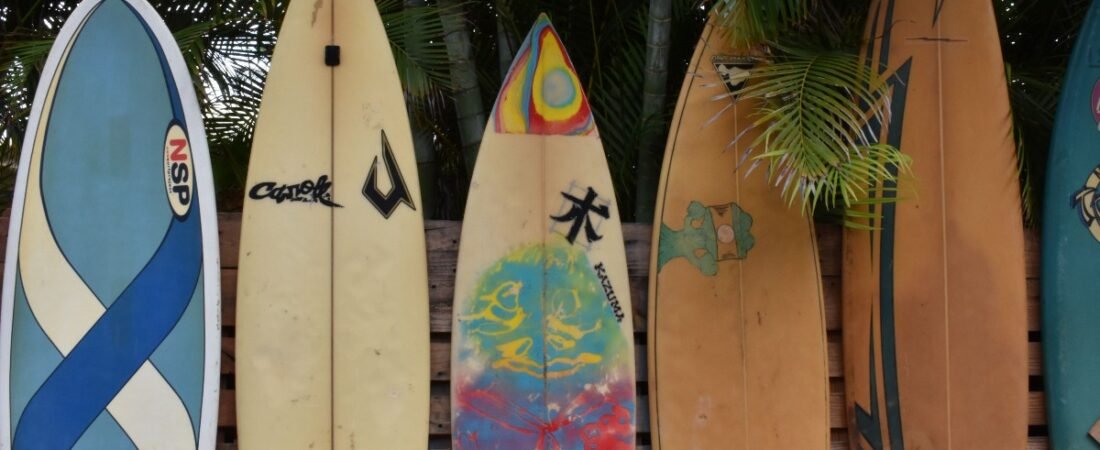
Siargao is known as the surfing capital of the Philippines, but you do not need to be an experienced surfer to enjoy the waves.
For many first-time visitors, taking a surf lesson becomes one of the highlights of a Siargao trip. Beginner lessons are relatively affordable, instructors are easy to find, and there are surf spots suitable for learning.
However, surfing in Siargao also deserves respect. Some of the island’s famous waves break over reefs, and conditions can change depending on swell, wind, and tide.
Here is a practical beginner’s guide to surfing in Siargao, including local lesson prices, board rentals, where to find an instructor, and some important safety advice.
How Much Does Surfing in Siargao Cost for Beginners?
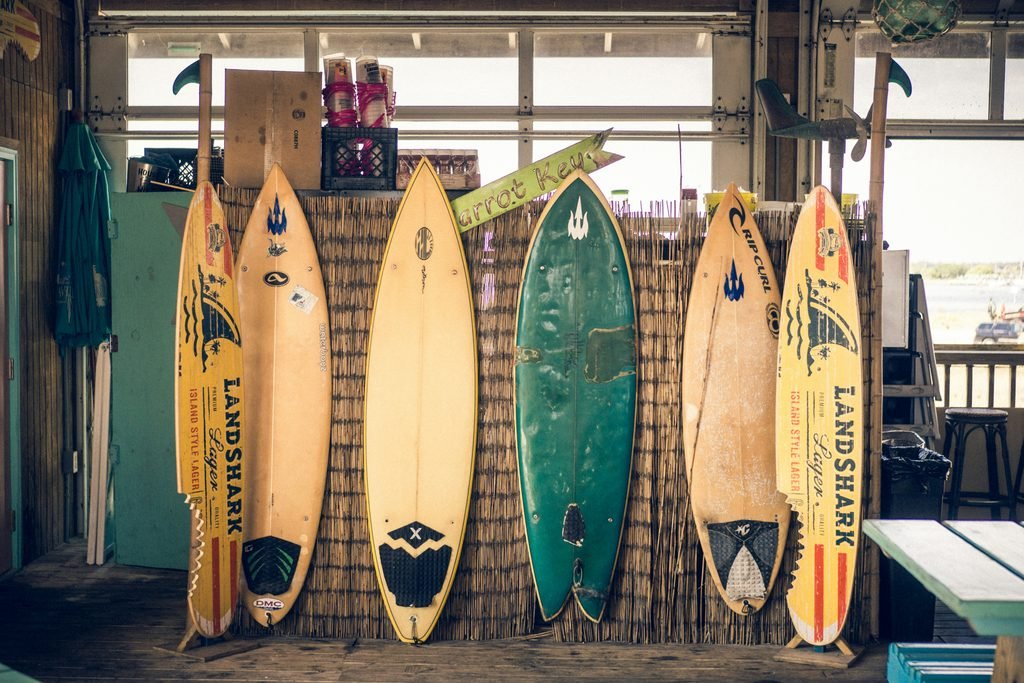
A basic local beginner surf lesson commonly costs around ₱500 for one hour.
A longboard suitable for learning is normally included in the lesson.
This is the kind of lesson many visitors arrange through local instructors rather than more expensive surf camps or multi-day surf programs.
You may see considerably higher prices online. These can be organized surf schools, private coaching programs, packages, or longer lessons, so check exactly what is included before comparing prices.
If you are happy with your instructor, you can give a tip. Around ₱100 can be a nice gesture for good instruction, but tipping is optional.
Prices can change, so always confirm the lesson price and duration before starting.
Where Can You Find a Surf Instructor?
One of the easiest ways is simply to ask your accommodation.
Many hostels, hotels, and resorts around General Luna and Catangnan can connect guests with local surf instructors.
You can also find instructors around popular beginner surf areas. Local surfers frequently offer lessons to visitors near the surf spots.
For a first lesson, arranging an instructor through your accommodation can be particularly convenient because you have someone local helping make the connection.
Choose a Qualified Surf Instructor
When choosing a surf instructor in Siargao, experience and local knowledge are especially important.
A good instructor should explain basic safety before entering the water, including where to paddle out, which waves are suitable for beginners, and how to avoid crowded or dangerous areas.
For your first lesson, choose someone who stays close to you in the water and is familiar with the surf spot and current conditions.
You can also ask your accommodation for a recommended local instructor if you are unsure who to choose.
Do not choose an instructor based only on the lowest price.
Jacking Horse: A Popular Beginner Surf Spot
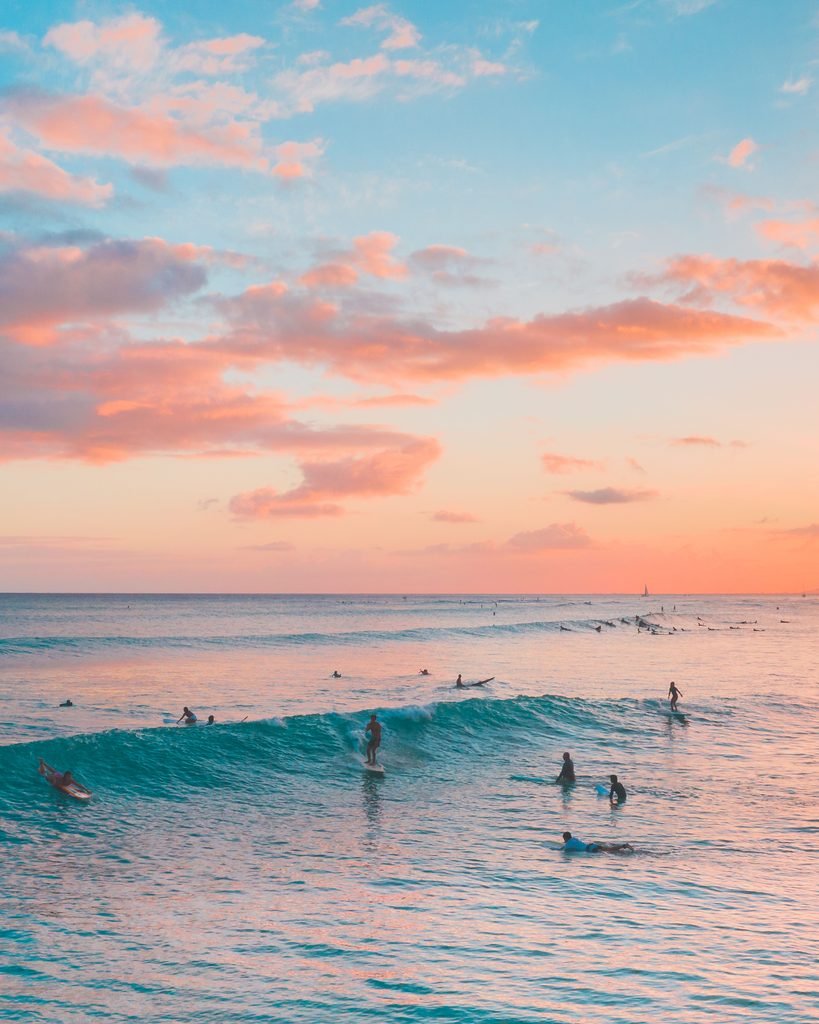
Jacking Horse, located near Cloud 9, is one of the most popular surf spots in Siargao for beginners and first-time surfers.
It is convenient for travelers staying around General Luna, Catangnan, and Cloud 9, and instructors are commonly available in the area.
Beginners should still surf according to the conditions on the day.
A spot that was easy yesterday may feel very different today depending on the swell and tide. Follow your instructor’s advice rather than choosing a surf spot based only on its reputation as a beginner location.
Is Cloud 9 Good for Beginners?
Cloud 9 is Siargao’s most famous surf break, but that does not mean beginners should paddle straight into the main Cloud 9 break.
Cloud 9 is famous for powerful waves breaking over reef and is associated with experienced and advanced surfers.
Beginners who want to experience the Cloud 9 area can watch the surfers and take lessons at more appropriate nearby spots such as Jacking Horse.
One of the most important things to learn in Siargao is that different surf breaks are suitable for different ability levels.
How Much Does It Cost to Rent a Surfboard?
If you already know the basics and want to practice without an instructor, surfboards are widely available for rent.
Typical local rental prices are approximately:
1–2 hours: ₱200–₱250
Full day: ₱400–₱700
One week: ₱2,000–₱4,000
Prices vary according to the board, rental shop, condition of the equipment, and rental period.
Longer rentals usually offer better value per day.
Before taking a board, check its condition, fins, leash, and any existing damage.
Should Beginners Rent a Board and Surf Alone?
Learning to stand up does not mean you are ready to surf everywhere by yourself.
This is one of the most important pieces of advice for first-time surfers in Siargao.
It can be tempting after a few successful rides to rent a board, find an uncrowded beach with bigger waves, and paddle out alone.
Do not assume that an empty surf spot is a safe surf spot.
There may be a reason experienced local surfers are not in the water.
Reefs, currents, wave size, tide, entry and exit points, and changing weather can make an unfamiliar location dangerous.
Local experience matters.
Inexperienced surfers can become overconfident after a few successful rides and get into trouble when attempting more difficult conditions alone.
If you do not know the break, ask a local instructor or experienced surfer about the conditions before entering the water.
Bigger Waves Are Not Automatically Better
Beginners sometimes think progressing in surfing means immediately looking for bigger waves.
It does not.
The goal at the beginning is to develop control, positioning, balance, wave selection, and awareness of other surfers.
A smaller wave appropriate for your ability will usually teach you much more than a large wave that you cannot control.
If your instructor tells you that conditions are too difficult, listen.
There will always be another surf session.
Check the Tide and Conditions
Surfing conditions in Siargao are not the same throughout the day.
Tide, swell direction, wave size, wind, and weather can all affect a surf spot.
This is why asking a local instructor about the best time to surf that day is better than assuming that a particular hour is always best.
For beginners, the safest and most enjoyable session is usually the one matched to your ability and the conditions of that particular day.
What to Bring to Your First Surf Lesson
You do not need much equipment for a beginner lesson if the board is included.
Bring:
Swimwear
Rash guard or comfortable surf clothing
Reef-safe sunscreen
Water
A small amount of cash
Ask whether the lesson includes a surfboard and leash before starting.
If you are not a confident swimmer, tell your instructor before entering the water.
Basic Surf Etiquette
Surfing safely also means respecting other people in the water.
Do not paddle directly into another surfer’s path.
Do not deliberately take off on a wave when another surfer already has priority.
Keep control of your board as much as possible, especially around other beginners.
Listen to local surfers and instructors if they warn you about a particular area or condition.
A crowded beginner spot can feel chaotic, so awareness of the people around you is just as important as standing on the board.
Is One Surf Lesson Enough?
One lesson is enough to experience surfing and learn the basic movements, but it is not enough to become an independent surfer.
If you enjoy your first lesson, consider taking another lesson before renting a board and surfing alone.
An instructor can correct mistakes that are difficult to notice yourself and gradually introduce you to different conditions.
Travelers staying for a week or longer may find that several lessons at the beginning make the rest of their surfing experience much more enjoyable.
Best Advice for First-Time Surfers in Siargao
Start with an instructor.
Choose a surf spot appropriate for your ability.
When possible, use a properly trained or accredited instructor.
Do not paddle into the main Cloud 9 break simply because it is famous.
Ask about the tide and conditions before surfing.
Do not assume that an empty beach or surf break is safe.
Avoid surfing unfamiliar, larger waves alone just because you have successfully completed a few beginner sessions.
Respect local surfers, other beginners, and the ocean.
Final Thoughts
Surfing is one of the experiences that makes a trip to Siargao special, and beginners have plenty of opportunities to try it without spending a large amount of money.
A basic local one-hour lesson with a longboard can cost around ₱500, while board rentals can start at roughly ₱200–₱250 for a short session.
But price should not be the only consideration.
A knowledgeable instructor, a suitable beginner surf spot, and good conditions are far more important than finding the biggest wave or the cheapest lesson.
Start somewhere appropriate such as Jacking Horse, learn from someone who understands the local conditions, and progress at your own pace.
The ocean will still be there tomorrow.